What To Stay Away From In Punta Cana?
Honest, sourced answers to what to stay away from in Punta Cana: beach access traps, ticket scams, extra tour costs, and how cautious travelers book a vetted zipline day.
The things worth staying away from in Punta Cana are specific and avoidable: gates and beach clubs that charge for shoreline that is public by law, copycat websites charging fees for a free government e-ticket, unlicensed street sellers, and tour add-ons like lockers and photos that stack up fast. None of these require canceling a trip, just a little preparation before you go.
Notice what is not on that list. There are no verifiable reports of zipline or canopy tour incidents in the Punta Cana area, and no official source supports the dramatic stories that circulate online. What the sources do show is a destination where the ordinary frictions of tourism, paid access, paperwork and upselling, are the realistic annoyances. The official tourism portal for the country lays out entry rules plainly at its entry requirements page, and most of the traps below dissolve the moment you have read it.
The framing matters for how you spend a week here. Travelers who arrive with a booked, vetted excursion tend to report fewer problems than those who buy from sellers on the beach or outside the resort gates, because a listing with a review history, stated pickup terms and a cancellation policy gives you something to point at when plans change. A good example is the dual side-by-side zipline run by Runners Adventures, rated 4.8 from 606 reviews from $90 per person with hotel pickup listed and free cancellation listed, the kind of paper trail a beach seller simply cannot match.
Which Beach Traps And Access Rules Catch Visitors Out?
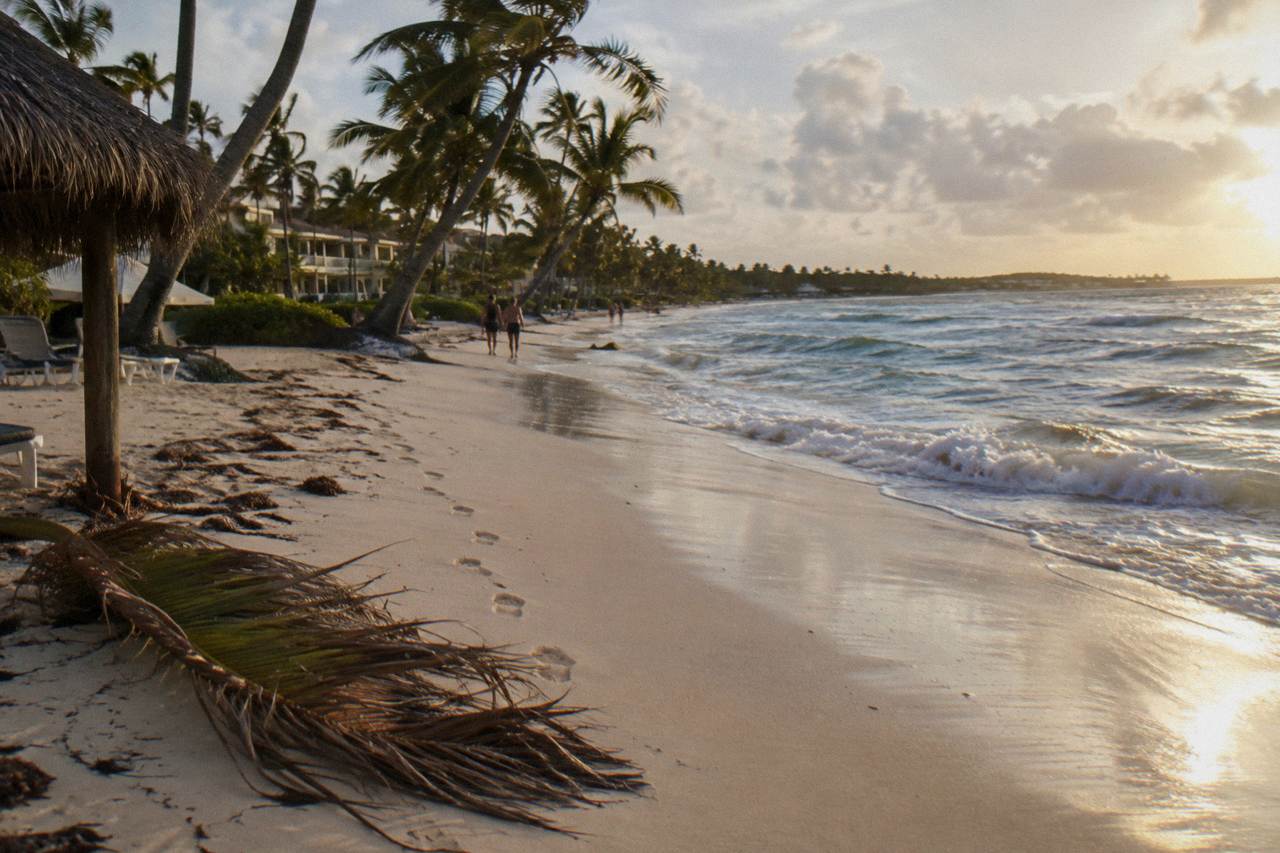
The main beach trap is being charged for access that should be free: Dominican law keeps the first 60 meters of shoreline from the high-tide line public, and Bávaro Beach, Macao Beach and public access points like Bibijagua, El Cortecito and Los Corales can be reached without paying anyone. The exception to understand in advance is Juanillo Beach, where non-resort guests face a consumption voucher and a held ID at the gate.
Start with the principle, because it changes how you read every gate, guard and vendor on the coast. The public shoreline along Bávaro is free to walk, and Macao Beach has free public entry with no gate fee, though parking can run a few dollars. That is not a loophole or local secret; it is how the coast works. Resort staff or timeshare reps may steer you toward a paid setup, and a polite insistence on the public access points is usually all it takes.
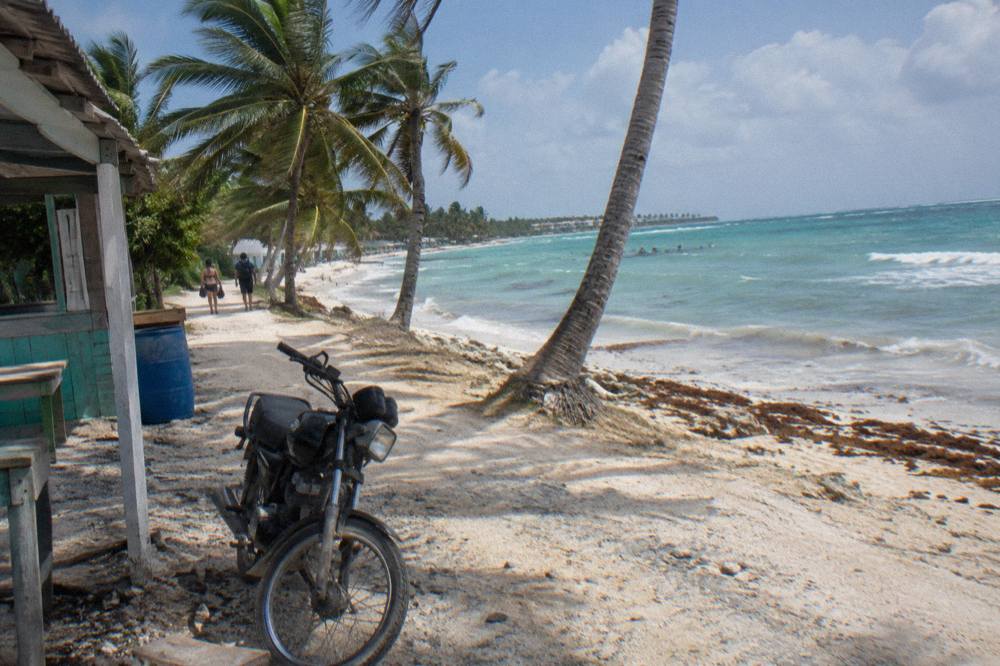
Juanillo Beach in Cap Cana is different, and that difference is documented rather than rumored. Entry is technically public, but non-resort guests are typically asked for a consumption voucher at the beach club, with a passport or ID held at the gate, and day passes run considerably more than the voucher. If that arrangement sounds unwelcome, the answer is simply to spend the day at one of the genuinely free beaches instead. What you give up is nothing you cannot get elsewhere on this coast.
| Beach | Access situation | What to watch for |
|---|---|---|
| Bávaro Beach | Public shoreline free by law, first 60 m from high-tide line | Use named public access points; resort loungers and facilities cost extra |
| Macao Beach | Free public entry, no gate fee | Parking can cost a few dollars |
| Juanillo Beach | Entry technically free, but beach club voucher required for non-resort guests | ID held at gate; day passes priced well above the voucher |
The same skepticism applies to sellers working the sand. Unlicensed street sellers are a real category to stay away from, not because every individual is dishonest but because there is no listing, operator or refund path behind the transaction. Coconut water, a braided bracelet or a photo pose is low stakes. An excursion sold from a clipboard is not: you have no confirmation voucher, no stated pickup point and no cancellation policy, and the discount being offered is usually the discount you would have gotten anyway from a live listing.
There is a second, subtler version of the beach trap worth naming. Some combo tours include a beach stop, and a seller at that stop may present paid extras, an upgraded lunch, a bandana and goggles kit, a lobster plate, as if they were part of the day. The 3-in-1 combo, for instance, lists bandanas, goggles and water shoes as exclusions, along with optional meals priced separately. Knowing which beach stops carry extra charges before you arrive keeps a free half hour from becoming a $50 line item, and it costs nothing to check the exclusions list the night before.
Which Extra Costs Quietly Add Up On A Tour Day?
The costs that surprise travelers are the small ones on top of the ticket: lockers that run a few dollars, photo packages that one verified reviewer put at $35, tips listed as optional, and transfer supplements of $10 per person or more from zones like Bayahibe and La Romana. None are hidden, exactly, but they sit in the fine print of listings that most people skim.
Reading exclusions lists is the single habit that prevents most of this. The listings on this site print them for every product, and they are refreshingly specific. The Monkeyland, Ziplines and Buggies bundle from $209 per person lists a locker fee of $5 and gratuities as extras. Several Bavaro Adventure Park products list bandanas and goggles, souvenirs, professional photos, lockers and tips as exclusions, and a $10 per person transfer fee from Bayahibe and La Romana. The 3-in-1 buggy, horse and zipline combo lists optional meals at $10 for Dominican food and $50 for fish or lobster, which is exactly the kind of number you want to know before you are hungry at a beach stop.
Photos deserve a special mention because they are the most reliably underestimated cost on a zipline day. Personal belongings, including phones and cameras, are not allowed during activities on many courses, which means the operator's own photo package is often the only way home with pictures. One verified reviewer noted $35 for zipline park photos. Budget for it or make peace with the scenery, but do not discover it at the platform.
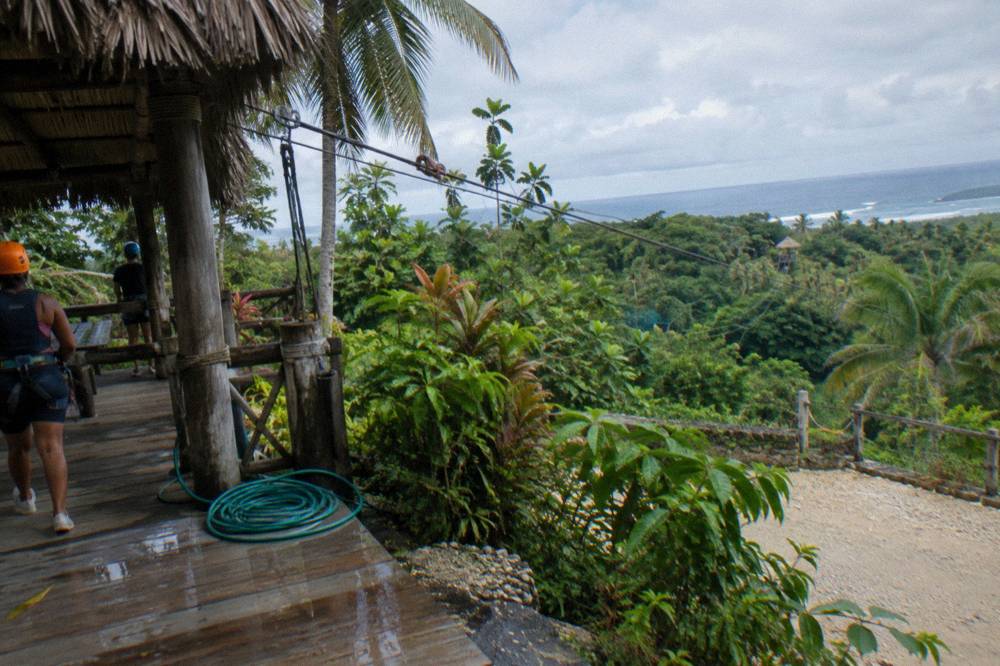
The other quiet cost is location. Pickup from Punta Cana and Bávaro hotels is included on most of these listings, but Bayahibe and La Romana carry surcharges on several products, and a handful of listings, including the Hacienda Tuko combo with lunch and the carbon fiber lines excursion, do not state or confirm pickup, in which case you check the listing before assuming anything. For a fuller walkthrough of who gets picked up where, see the hotel pickup guide.
How Do You Avoid Fake Ticket Sites And E-Ticket Scams?
The e-ticket scam is the most concrete, documented trap in the Dominican Republic's entry process: the official electronic entry and exit form is free at the government portal eticket.migracion.gob.do, and any site charging a fee to file it for you is a copycat. Book excursions through a listing with a review history rather than a clone site or a street seller, and the same logic applies.
The pattern is simple and effective. Clone websites mimic the official form, file the same free paperwork, and charge a fee for the trouble. Multiple current sources flag this explicitly, and the fix is free: type the official address yourself or follow the link from the tourism ministry's own pages. This site's Dominican Republic e-ticket guide walks through the form in detail.
Booking clones work the same way. A website that mirrors a tour operator's product at a suspicious markup, or a reseller with no reviews and no cancellation terms, gives you nothing if the pickup never comes. The tells of a legitimate purchase are boring and consistent: a stated from-price, a printed duration, real inclusion and exclusion lists, a cancellation policy, and a review count you can read. The Monkeyland and zipline two-adventure day by Runners Adventures carries 4.8 from 1,227 reviews from $130 per person, with hotel pickup and a Dominican lunch listed, the kind of record that takes years to build and cannot be faked cheaply.
One more note on entry paperwork: you will see claims online about tourist cards and departure taxes, and the figures vary wildly between sources. Do not act on any of them. For commercial flights, the amounts involved are built into the airline ticket, and the official guidance is the only source worth reading on the subject.
What Should Cautious Travelers Check Before Booking Any Tour?
Cautious travelers check five things before paying: whether pickup is stated for their hotel zone, whether free cancellation is listed, what the exclusions add to the sticker price, what age, weight and height limits that specific listing states, and how many reviews actually stand behind the rating. Limits in particular differ listing to listing, and there is no national standard to fall back on.
That last point surprises people. The Dominican Republic has no published national zipline standard, so age, weight, height and waist rules belong to each operator. One listing states children 6 to 12 ride only the first 8 cables, with a 127 kg (280 lb) maximum weight and a 112 cm (44 in) maximum waist. Another states ages 5 and up with a 300 lb maximum. The Bavaro Adventure Park products state a 1.30 m minimum height and a 130 kg (280 lb) maximum, with buggy drivers needing to be 18 with a valid licence. These are all real, and they are all different. Check the listing, then confirm in the operator's voucher, and our zipline weight limit guide and age limits guide compare them line by line.
Regulation does exist, which is a genuine reassurance worth knowing. Dominican adventure tourism licensing requires annually renewed certification from ACCT or an equivalent body, certified guides with rescue and first-aid training, emergency plans and technical inspections, per the tourism ministry's requirements. One large local operator renewed its ACCT certification for its zipline circuits in October 2026. That is the system working in the background of a booked tour, and it is another reason a vetted listing beats a beach clipboard.
| What to verify | Why it matters | Where to find it |
|---|---|---|
| Pickup for your hotel zone | Some listings do not state or confirm pickup; Bayahibe and La Romana often carry a fee | The listing's inclusions and exclusions |
| Free cancellation | Lets you rebook if weather or plans shift | The listing's cancellation policy |
| Weight, age, height limits | Limits are operator-specific, no national standard exists | The listing's restrictions text |
| Exclusions and extras | A $5 locker, a $35 to $100 photo set and $10 to $50 meals all appear on these listings and reviews | The exclusions list |
| Review count behind a rating | A 4.8 from 1,227 reviews and a 4.8 from 19 mean different things | The listing's review summary |
The flagship combo by Hacienda Tuko illustrates the value of a big review pool: 4.9 from 5,399 reviews, from $100 per person for 6 hours with a Dominican lunch included, though the listing does not state pickup, so confirm transport before booking. It is one of the most reviewed tours covered here, and that volume is itself information.
Does Weather Or The Season Ruin A Trip?
Atlantic hurricane season runs 1 June to 30 November, with the wettest stretch peaking around September to November and the drier season running December to April, so timing shifts what a Punta Cana week looks like but rarely cancels one. Whether a zipline line runs in rain is each operator's call under its own cancellation terms, so never book assuming a refund for drizzle.
The seasonal facts come from the National Hurricane Center, which states the season dates and a 30-year average of 14 named storms and 7 hurricanes per Atlantic season at its climatology page. Typical October rainfall in Punta Cana runs higher than the December-to-April stretch, often as short afternoon showers rather than all-day rain. Brief showers are possible year-round. That is a pattern to plan around, not a reason to write off half the calendar.
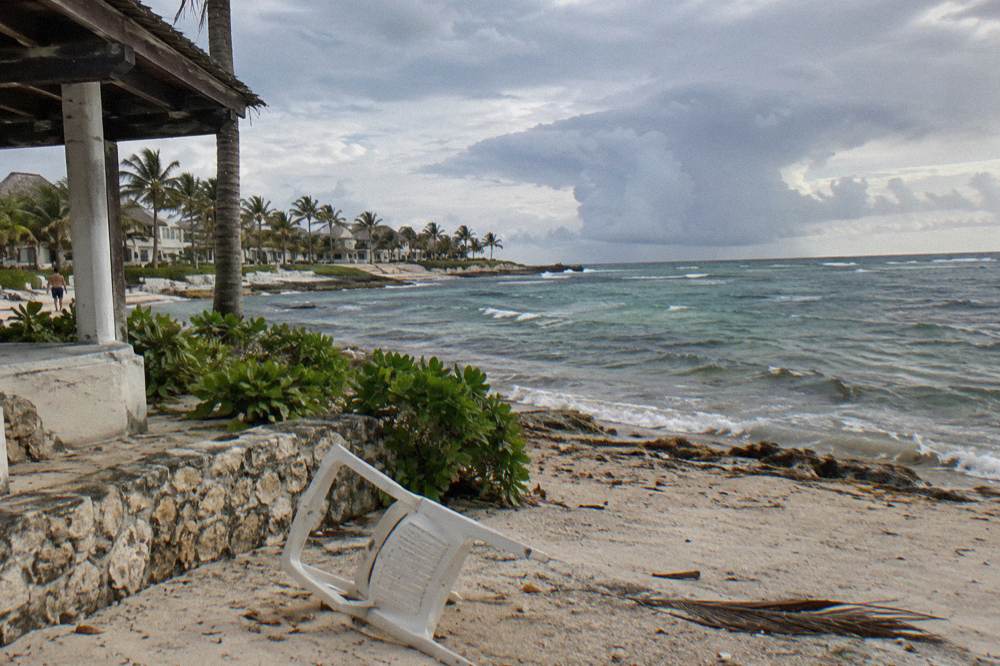
For tour days, the practical rule is to check what the listing itself says about weather. Some operators describe tours running rain or shine except for extreme weather, with reschedule or refund in those cases, and free cancellation up to 24 hours in advance appears across many of these listings. Others leave it to the operator's judgment. Read the cancellation text before you book rather than after the clouds arrive, and see the guide to ziplining in the rain for how operators handle it.
The broader safety question gets asked a lot, and the honest answer lives in what operators put in place rather than any verdict: harnesses, helmets, a safety briefing and a training cable are listed as standard across the major courses, and the park's own FAQ pages, like Bavaro Adventure Park's safety gear page, describe exactly what is provided. For the general travel-safety picture, our piece on whether it is safe to travel to Punta Cana right now sticks to the same discipline: no verdicts, just what the sources state.
The Short Version: A Checklist Before You Fly
Book excursions through listings with real review counts, stated pickup terms and free cancellation; use only the official e-ticket portal; walk to public beach access points instead of paying gates; read exclusions before paying; and check each listing's own age, weight and height limits. Do those five things and the realistic annoyances of Punta Cana mostly never reach you. Once those basics are handled, the guide to free things to do in Punta Cana shows how to fill your days without spending much at all.
It is worth saying plainly that the paranoia industry around Caribbean travel sells more copies than accuracy. There are no verifiable incident reports for zipline and canopy tours in the area, no operator advisories against them, and a regulatory framework that requires annual certification. The traps that are documented are mundane and fixable: a copycat website, a $35 photo package, a voucher gate at one beach. Cautious travelers are not the ones who avoid the destination; they are the ones who arrive with the paperwork done and the tour already booked through a listing they read.
A useful habit is to do the checking at home, where you have time and signal, rather than at a resort desk under a departure deadline. Print or screenshot the confirmation, the pickup instructions and the exclusions, and keep the operator's contact details with your travel documents. Five minutes of preparation replaces nearly every unpleasant surprise this article describes, and it leaves the rest of the week for the reasons you came: the coastline, the jungle canopy, and a good long ride between platforms.
If a vetted zipline day is on your list, the dual side-by-side line by Runners Adventures from $90 per person is a natural starting point, and the three combos below cover a zipline day with Monkeyland entry, a Monkeyland day with lunch included, and the Hacienda Tuko buggy, horse and zipline day with lunch, which does not include pickup, so you can compare before committing.
Common Questions About What To Stay Away From In Punta Cana
What To Stay Away From In Punta Cana?
Paid gates on public shoreline, copycat e-ticket websites, unlicensed street sellers selling excursions, and unchecked tour extras like lockers, photos and off-zone transfer fees. Book tours through listings with review histories and stated pickup and cancellation terms.
Are The Beaches In Punta Cana Free To Access?
The first 60 meters of shoreline from the high-tide line is public by law. Bávaro Beach, Macao Beach and access points like Bibijagua, El Cortecito and Los Corales are free to reach. Juanillo Beach is the documented exception, with a consumption voucher and a held ID at the gate for non-resort guests.
Is The Dominican Republic E-ticket Really Free?
Yes. The official electronic entry and exit form is free and must be completed for commercial flights at the government portal. Sites that charge a fee to file it are copycats.
What Hidden Costs Come Up On Zipline Tours?
Lockers (one major bundle lists a $5 fee), photo packages (one verified reviewer noted $35), tips listed as optional, and transfer supplements such as $10 per person from Bayahibe and La Romana on several listings. Read each listing's exclusions before booking.
Do Zipline Age And Weight Limits Differ Between Operators?
Yes, and there is no national standard. Examples from single listings: ages 6 to 12 limited to the first 8 cables with a 127 kg (280 lb) maximum and 112 cm waist maximum; another listing ages 5 and up with a 300 lb maximum; Bavaro Adventure Park products state 1.30 m minimum height and 130 kg maximum. Always check the specific listing.