When Is The Worst Time To Go To Punta Cana?
Rain, seaweed, hurricanes and heat by month, and which months work best for outdoor tours and ziplines in Punta Cana.
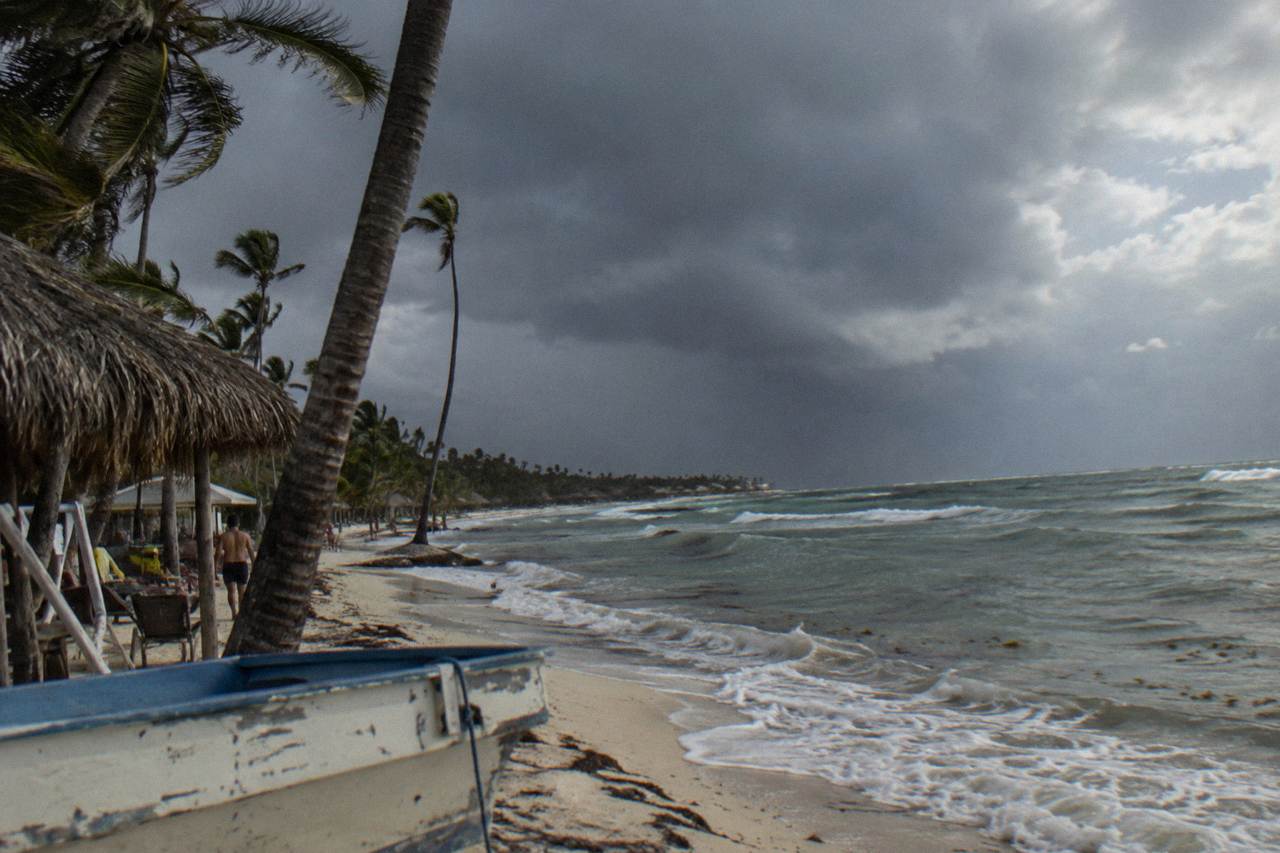
If one stretch earns the label, it is September and October: October is the wettest month of the Punta Cana year, and both sit inside an Atlantic hurricane season that runs from June 1 to November 30. Rainfall in October is typically cited around 145 to 163 millimetres, while December averages about 89 and February and March drop to roughly 53 to 55 millimetres per month, with short heavy afternoon showers common through the whole autumn window.
The honest version is more layered than a single bad month. Punta Cana sits on the eastern tip of the Dominican Republic, and its climate splits into a drier stretch from December to April and a wetter one roughly from May to November, with the heaviest rain peaking between August and November. Travel writers disagree about exactly which month tops the table, but almost every source points at the same corridor: late summer into mid autumn.
For readers planning outdoor activities such as a zipline day, the timing question matters twice over. A zipline day lives or dies on weather at the canopy, and a wet month changes both the odds of showers during your slot and the odds your booking gets shuffled. A tropical shower passing over a zipline course is not automatically a cancellation: two listings here, La Hacienda Park and the Monkeyland and Zipline combo, state plainly that tours run rain or shine, with extreme weather such as tropical storms being the exception, and rescheduling or refunds offered in those cases. The practical worst time is therefore the stretch where the chance of a genuinely disruptive system, not a twenty-minute shower, is highest.
That stretch is autumn. Before deciding it is automatically off the table, weigh the other side: fewer crowds, softer pricing on flights and rooms, and a landscape at its greenest. The drier months, by contrast, deliver reliability at the cost of peak-season rates and busier platforms. The rest of this guide walks month by month through rain, seaweed, hurricanes and heat, then closes with the months that suit tours and ziplines best, and how to book so that a wet forecast costs you nothing but a new date.
What Months Bring The Most Rain To Punta Cana?
The wettest period runs from roughly May through November, with the sharpest peak between September and November and October the single rainiest month in most accounts. Typical October rainfall is cited at 145 to 163 millimetres, while December sees around 89 millimetres and February and March drop to roughly 53 to 55 millimetres per month. Brief afternoon showers are possible all year, but they cluster in the wet season.
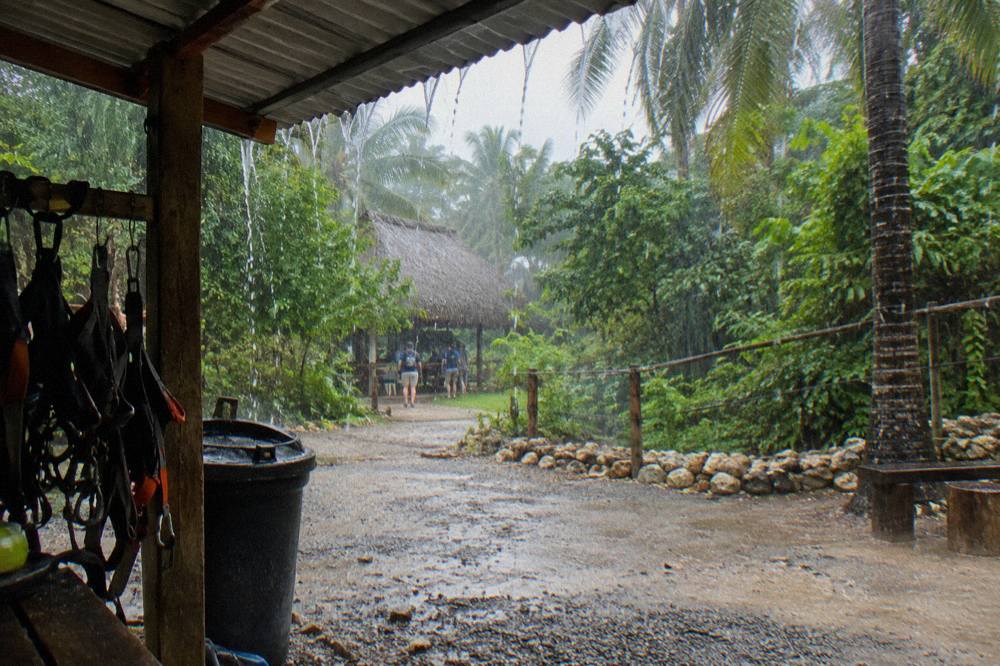
Punta Cana's rain does not fall as week-long greyness. The dominant pattern is a short, heavy shower, often in the afternoon, that passes and leaves the rest of the day usable. Travelers from northern Europe or North America sometimes expect the sustained drizzle of a temperate winter and are surprised by how quickly the sky resets. That cuts both ways: a morning zipline slot can be dry while a beach afternoon is soaked, or the reverse.
The monthly rhythm, in practical terms:
| Period | Typical character | Notes for planning |
|---|---|---|
| December to April | Drier season, roughly 53 to 89 mm of rain per month | Peak visitor season, best odds for outdoor tours |
| May to July | Wet season begins, showers more frequent | Brief storms, green landscapes |
| August to November | Wettest stretch, peaking September and October | Highest rain totals, hurricane season overlap |
| October | Often the single rainiest month, 145 to 163 mm cited | Short heavy showers common |
Two practical consequences follow. First, the wet months reward morning bookings: showers build through the day, so an early slot on the 12-Cable Jungle Circuit, which runs about 5 hours with hotel pickup and water and fresh fruit included, has a better chance of staying dry than a mid-afternoon one. Second, wet-season booking rewards free cancellation. Every listing on this site shows free cancellation, and several zipline listings state free cancellation up to 24 hours in advance for a full refund, which converts a rainy forecast from a loss into a reschedule.
What rain means for a zipline specifically is covered from the tour side in ziplining in the rain in Punta Cana, but the short planning version is that a passing shower rarely stops a tour, while an organized tropical system will, and operators decide that case by case under their own cancellation terms.
Does Hurricane Season Make Autumn The Worst Time?
The Atlantic hurricane season runs from June 1 to November 30, per the National Hurricane Center, and an average season based on the 1991 to 2020 climate period carries 14 named storms and 7 hurricanes. Punta Cana's east coast position makes direct major hits historically uncommon, but September and October carry the highest overlap of rain and storm risk.
The season's calendar is official and stable: the National Hurricane Center states the Atlantic season runs from June 1 to November 30, with the 30-year average of 14 named storms and 7 hurricanes. Within that window, activity concentrates in the late summer and autumn months, which is exactly when Punta Cana's own rainfall peaks. That stacking, rain plus storm climatology, is the real reason autumn gets the "worst" label rather than hurricanes alone.
Context matters for perspective. The Dominican Republic's east coast is relatively sheltered compared with many Caribbean spots, and direct major hurricane landfalls there are historically uncommon despite the seasonal overlap. A hurricane somewhere in the Atlantic does not mean one near Punta Cana. What a traveler in September or October realistically faces is an elevated chance of rainy days and a small but real chance that an organized system disrupts travel plans, flights included.
If you travel in the season anyway, the booking habits matter more than the calendar. Look for free cancellation, which every tour compared here lists, and understand that operators make weather calls per their own terms. The Dual Zipline Side-by-Side Adventure by Runners Adventures, 6 hours with hotel pickup and a 4.8 rating from 606 reviews, from $90 per person, is a good example of the format that handles a wet-season trip well: transport arranged, equipment included, and a listing that describes weather rescheduling rather than outright loss. The Dominican E-Ticket, the free electronic entry and exit form required for commercial flights, is described on the Ministry of Tourism's entry requirements page, worth completing before departure in case plans shift quickly.
One more seasonal note: December sits just outside the season and marks the start of the drier stretch, which is why late December books up early. November is a transition month, still inside the season's official end, but with rain typically easing from the October peak. Travelers chasing value sometimes find November delivers near dry-season conditions at lower prices, though December itself still averages 17 rainy days.
What About Seaweed Season In Punta Cana?
Sargassum arrivals vary from year to year, so check a current beach report for your dates. It affects the beach experience, not ziplines or inland tours, and cleanup operations vary by stretch of sand and by resort.
Seaweed is the wildcard that the rain-and-hurricane framing misses. Sargassum is a floating brown algae carried on Atlantic currents, and when it lands on Caribbean beaches it can arrive in small mats or, on bad days, thick banks that discolor the waterline and smell as it dries. Punta Cana's east-facing beaches catch it when the currents push it in. The pattern varies from year to year, so a current beach report for your dates is the best guide. More of these guides are collected on Zipline in Punta Cana.
The irony for timing is that seaweed season and the rainiest months barely overlap: a rainy-month trip usually finds clearer sand, while the heaviest seaweed can land alongside gorgeous weather. Travelers who measure a trip by swimming off the beach should weigh the two risks separately, and travelers whose priority is a zipline, a buggy ride or a Monkeyland visit should weigh them barely at all, since none of those happen on the sand.
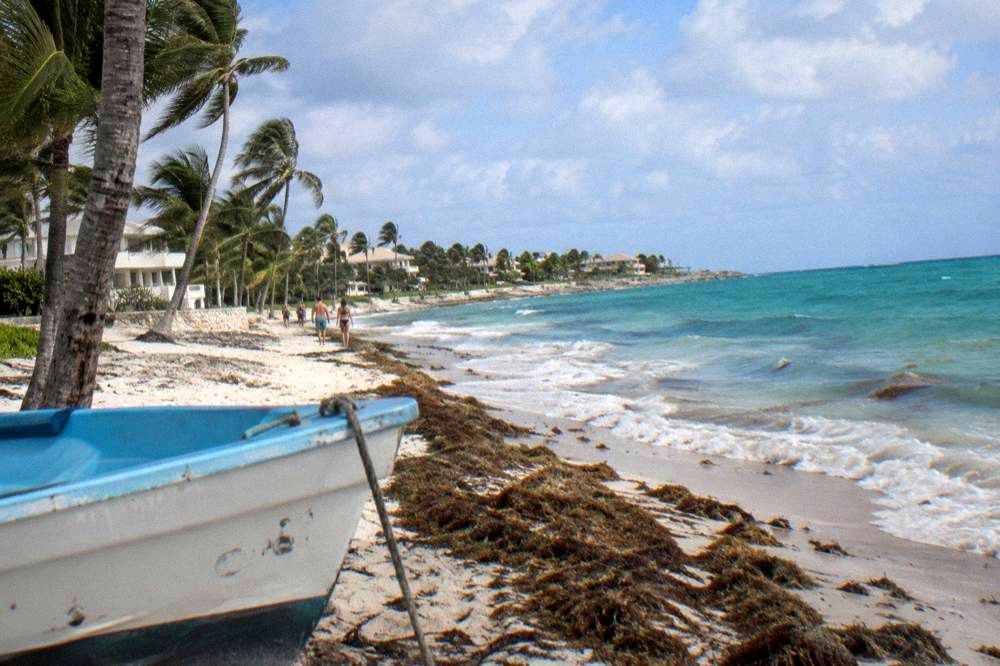
Where seaweed does change a plan is in pairing choices. The 3-in-1 combo listings that include a Macao Beach stop, and the buggy tours that finish at the coast, put you on the sand at the end of the day, and a heavy sargassum week can dull that finale. The Monkeyland and Zipline Two Adventures day by Runners Adventures, 8 hours with a Dominican lunch included, from $130 per person with a 4.8 rating from 1,227 reviews, keeps almost the whole itinerary inland, which makes it a steadier seaweed-season choice than a beach-weighted day.
A quick comparison of the three main seasonal risks:
| Risk | Peak period | What it hits | Mitigation |
|---|---|---|---|
| Rain showers | May to November, peaking September and October | Beach afternoons, visibility on tours | Book morning slots, use free cancellation |
| Hurricanes | June 1 to November 30, most active late August to October | Flights, full-day itineraries | Travel insurance, flexible bookings |
| Sargassum seaweed | Varies year to year, check beach reports | Beach and swimming quality | Choose inland tours, check beach reports |
Is Summer Heat And Humidity A Problem?
Punta Cana is warm year-round, but the late spring and summer months bring the highest heat and humidity, and the combination of midday sun with jungle humidity is the part travelers underestimate. Heat is a comfort and stamina issue for outdoor tours rather than a reason to avoid a month, and morning scheduling largely solves it.
Temperatures stay in a narrow warm band across the year, and the differences between months are modest in degrees. What changes is humidity and the feel of the midday sun, which both climb from late spring and stay high through the wet season. On a zipline course that means the walking segments between platforms, not the rides, are where the heat registers: guests on full-day courses describe getting warm and sweaty during the jungle walks, and the shaded canopy helps but does not cancel the humidity.
This matters most on the longest days. A 9 hour 30 minute combo such as the Adventure Bundle covering Monkeyland, the 12-cable zipline circuit and buggies, from $209 per person with a 4.9 rating from 13,839 reviews, spends a lot of that time outdoors and on foot. In July that is a stamina question; in January it is a pleasure. Neither month is forbidden, but hydration, light clothing and closed-toe shoes, which listings require anyway, earn their place in summer.
Dressing for the day is covered in detail in what to wear ziplining in Punta Cana, and the month-by-month climate background sits in Punta Cana weather by month. The planning takeaway for heat: the wet season's showers actually cool the air, while the drier season trades rain for steady warm sun, so there is no month that is genuinely cool, only months that feel different.
For older travelers or anyone with a medical condition, no verdict on heat tolerance belongs here; listings state their own health restrictions, and the standard advice is to check with a doctor and read the listing before booking.
Which Months Suit Zipline Tours Best?
December through April is the most reliable window: the drier season, outside hurricane season, with roughly 53 to 89 millimetres of rain per month and lower humidity. February and March are the sweet spot, combining dry days with high sun, while May and November are the value months where weather risk trades against softer prices and thinner crowds.
Matching the calendar to the tour format is where the decision actually gets made. Short standalone ziplines, half-day and 3-hour courses like the canopy options from $69 per person, tolerate a wetter month well, because a single free shower between lines changes little. Full-day combos are the ones worth protecting with a dry-month booking: the Hacienda Tuko combo pairing ziplines with buggies, horseback riding and lunch, from $100 per person with a 4.9 rating from 5,399 reviews, is a full 6 hours out, and a washed-out afternoon costs more of the day.
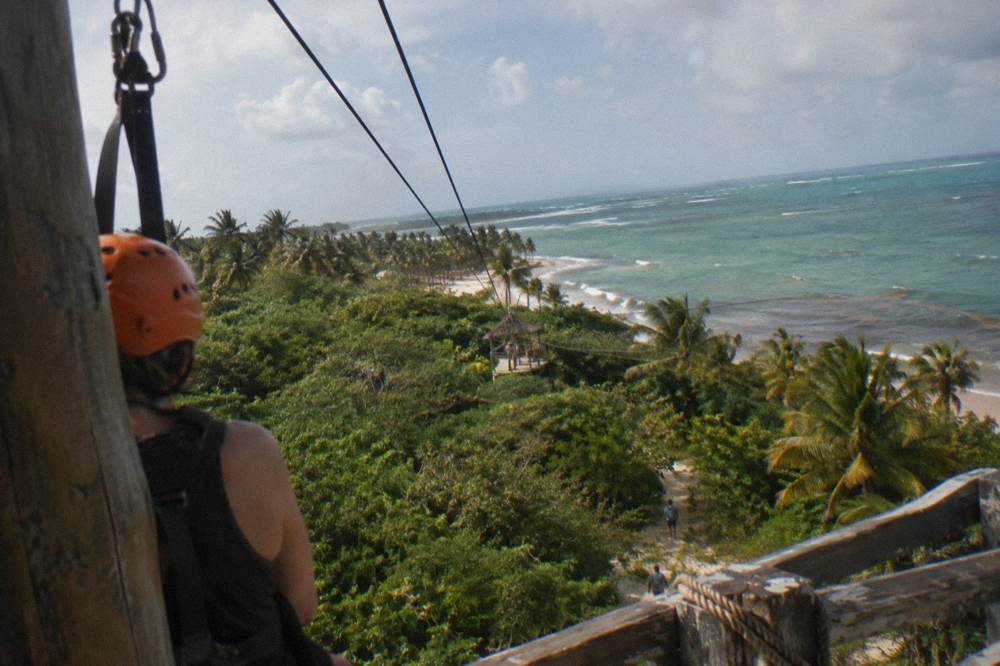
Here is how each part of the year suits a zipline day:
| Month | Typical conditions | Zipline booking advice |
|---|---|---|
| December to February | Drier season starts, hurricane season over | Book freely, expect peak-season demand |
| March to April | Dry and reliably sunny | Strong choice for full-day combos |
| May to July | Wet season builds, heat and humidity high | Morning slots, prefer tours with free cancellation |
| August to October | Peak rain, peak storm overlap | Shorter tours, flexible plans, watch forecasts |
| November | Rain easing, season ends on the 30th | Transition month, often good value |
Booking mechanics matter as much as the month. Every tour on this site lists free cancellation, and several listings state it as free cancellation up to 24 hours in advance for a full refund. In the wet season that policy is worth more than any forecast: it lets you hold a morning slot on the 12-Cable Jungle Circuit, from $90 per person with a 4.5 rating from 236 reviews, and move it if the morning turns. The operator's live listing is where the current terms sit, and the booking confirmation sets out how your pickup window is arranged.
A note on safety through all of this: Dominican adventure tourism regulation requires operators to hold recognized zipline certification renewed annually, with certified guides and emergency plans, per the Ministry of Tourism's adventure tourism requirements. Rain does not change those requirements. Whether a line runs in rain is each operator's call under its own terms, and the listings compared here describe weather rescheduling rather than silent cancellation, which is the fair expectation to carry into a wet-season booking.
For readers deciding between the two classic options, Scape Park versus the Anamuya ziplines compares the formats month by month, and the broader set of choices is laid out in the best zipline picks for Punta Cana.
To sum up the timing question without a verdict on any month: September and October stack the most against a visitor, rain totals, storm-season overlap and lingering humidity together. December through April stacks the least, and everything between is a trade. Punta Cana's rain comes in short passages rather than all-day systems, its seaweed season is a beach problem rather than a tour problem, and a flexible booking converts most of the residual risk into an inconvenience. Anyone planning around the full seasonal picture can find the deeper background in the hurricane season guide for Punta Cana, which tracks what the official calendar does and does not mean for day tours.
Common Questions About The Worst Time To Visit
When Is The Worst Time To Go To Punta Cana?
September and October are usually called the worst months: they sit at the peak of the rainy period, with October rainfall typically cited at 145 to 163 millimetres, and they fall inside the Atlantic hurricane season that runs from June 1 to November 30. Showers are usually short, though, and tours run rain or shine except in extreme weather.
Does It Rain All Day In Punta Cana During The Wet Season?
No. The dominant pattern is short, heavy showers, often in the afternoon, that pass and leave the rest of the day usable. The wettest stretch is roughly May to November, peaking between September and November, but all-day rain is not the norm.
When Is Seaweed Season In Punta Cana?
Sargassum arrivals vary from year to year, so check a current beach report for your dates. Seaweed affects the beach and swimming rather than inland activities like ziplines, buggy rides or Monkeyland visits.
Do Zipline Tours Get Cancelled For Rain In Punta Cana?
A passing shower usually does not stop a tour; two listings here, La Hacienda Park and the Monkeyland and Zipline combo, state tours run rain or shine except in extreme weather such as tropical storms, with rescheduling or refunds offered in those cases. The decision belongs to the operator under its own cancellation terms, and the listings here show free cancellation.
What Is The Best Month To Visit Punta Cana For Outdoor Tours?
December through April is the most reliable window: the drier season, with roughly 53 to 89 millimetres of rain per month, outside hurricane season and with lower humidity. February and March combine dry days with steady sun, which suits full-day zipline combos well.
Are Hurricanes Common In Punta Cana?
Direct major hits are historically uncommon on the Dominican Republic's east coast, which is relatively sheltered, though the Atlantic season runs from June 1 to November 30. The higher risk in autumn is rainy days and possible disruption to travel plans rather than a storm strike specifically.